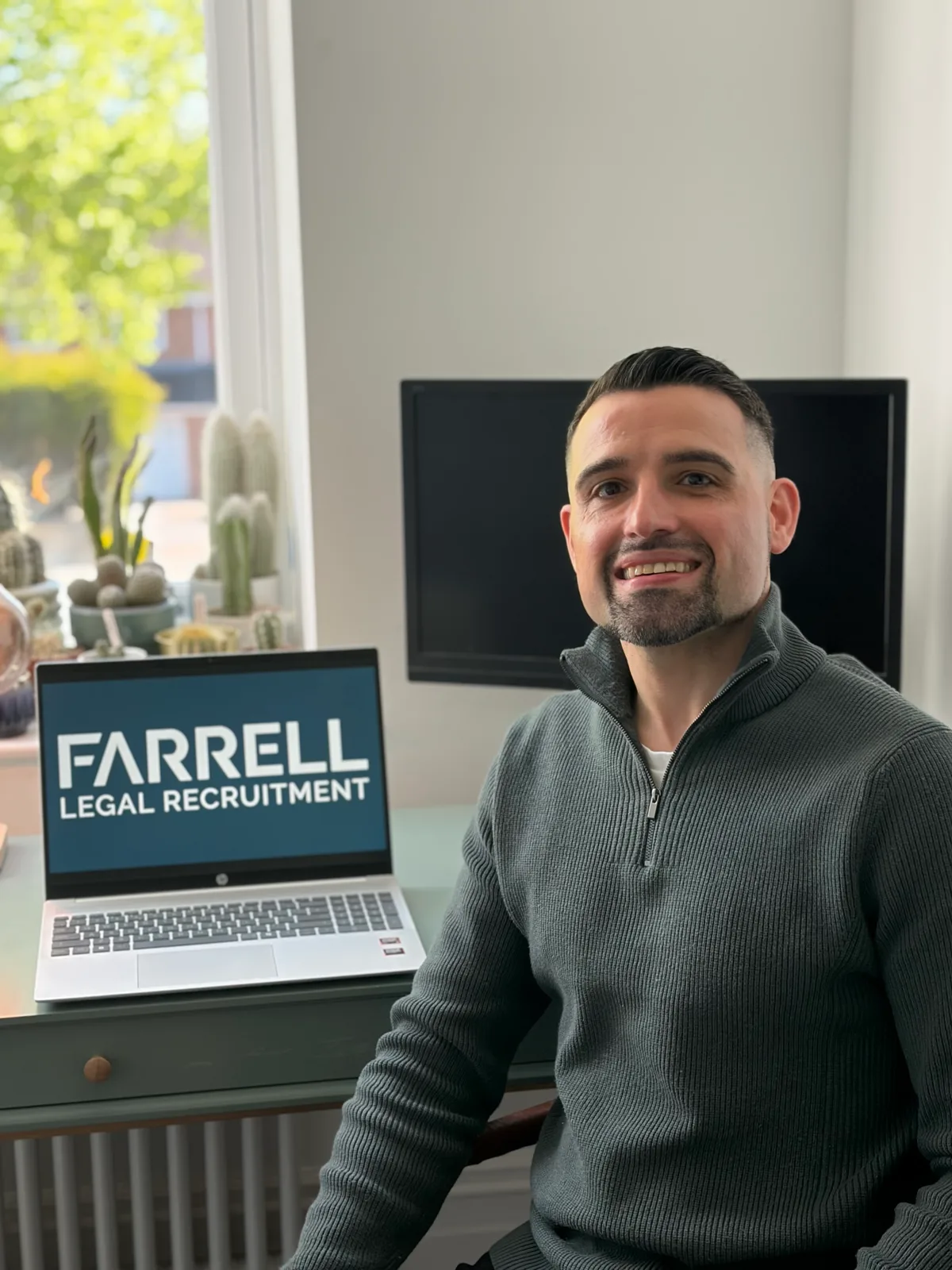
First, well done for working out what you want so early on. I think social media has really glamorised aspects of the legal profession and it’s important to ask yourself what will make you feel happy and fulfilled. Frankly, the big London firms often dominate the conversation because they run the most adverts, fill the most law fairs, sponsor the most events and have the biggest budgets. It can make them look like the only option but they aren’t. Most solicitors in England and Wales work outside the City, and plenty of them have brilliant careers close to home (I’d like to think of myself as one of them)!
It’s a great question (this one actually came via our Tiktok), although it is hard to answer as every in-house team is different. I’ve worked in a range of companies, from Barclays, which has hundreds if not thousands of in-house lawyers, to a tiny start-up where I was the only lawyer, and each of those had its own benefits and challenges.
For many people I know, law is a second career. The experience you've already built is a real asset. The good news is that you don't need a long-term placement to explore whether law is right for you. Some of the most useful opportunities are free, flexible and can be fit around a full-time job.
I think this is a great question and it's also not the first time I've been asked it. The word "networking" gets thrown around so much that it stops meaning anything useful.
Congratulations and welcome to in-house life! Here’s a few ideas on what you could do in your first few weeks…
🎯 Get curious about the business In-house teams exist to support a business, not just to advise on legal points in isolation. Read internal documents to understand a little about how the company operates and what terminology they like to use (e.g. do they refer to their customers as customers, clients, or something else entirely)? If you’re working in a new sector, start building your commercial awareness about the opportunities and risks and your awareness of where the company fits in the bigger picture. Ask questions even if they feel basic (we were all in your shoes once)!
First, take a breath, and give yourself at least a week to process before planning your next move. In my opinion, failing SQE1 says nothing about whether you'll make a good lawyer. Plenty of people who failed on their first attempt have gone on to pass (in fact, a couple of people who this happened to reached out to me on LinkedIn this week, so some of this advice comes from those with lived experience)!
Thank you so much for this question - you are exactly the type of person that the Inclusie Club was set up to help! Human rights is not my area of law, so I asked my network to chip in with their thoughts too. I hope this response is helpful.
I think everyone has their own style in a group exercise. Some people are naturally more confident and outspoken than others, and that's completely okay. Remember that group exercises are as much about how you interact with others as what you actually say and contribute to the task.
Unless it’s particularly relevant to you, consider skipping the biggest, splashiest deal everyone else will mention. Look for one that signals either something about that particular firm (such as the firm building out a new practice area) and give your unique analysis, or choose something which links to your personal experience. This is what will set you apart from the standard AI answer.
Thanks so much, so glad you're finding it useful! A few things that will help you stand out:
💼 Show you understand what "in-house" actually means. Law firms are fee-earning; their legal teams generate revenue for the business. In-house legal teams are different: their role is predominantly to manage risk and support the business rather than bring in money directly. That changes what's valued day to day. In-house teams need to be efficient, pragmatic and closely aligned with what the business actually needs, not just legally "correct." Demonstrate that you understand this distinction, and that in-house is a genuine choice, not just a back-up to your law firm applications.
Everyone's interview style is slightly different, but here are a few things I see from successful candidates.
💬 They sound like themselves. Over-rehearsed answers are harder to connect with as an interviewer. Let some of your personality come through and find a way to connect with the interviewer, even if it's as simple as agreeing how warm the weather has been this summer!
First, I think it is great you're questioning this now. It's worth pausing and thinking about what you really want your life to look like in the next 2, 5 or 10 years. There are a few key topics I think are worth exploring…
In short, yes! Several schemes exist specifically to support candidates from underrepresented and less advantaged backgrounds. Here's a few ideas of where to start looking 👇
First things first, congratulations for securing a paralegal position and for doing the work to find out which area of law truly interests you. Having a genuine sense of where you want to end up is a great start. Here are a few tips:
Not because you need to have a perfectly curated profile, but because it's a great way of finding opportunities you might not otherwise come across. In fact, most Inclusie Club subscribers found us through LinkedIn.
As you’ll have seen from this newsletter, paralegal and entry-level legal roles regularly ask for admin or professional services experience and that's something you could look to build. Temporary office work or a customer-facing retail role can give you genuinely transferable skills. As we mentioned in last week's newsletter, firms like DAC Beachcroft are actively calling out retail experience in their job adverts, so don't underestimate it.
Firstly, congratulations! Starting a training contract is a huge achievement.
One thing I'd encourage you to remember is that a training contract is exactly that: training. You're not expected to know everything from day one and nobody is expecting you to perform at the level of a newly qualified solicitor. Honestly, the first month of my training contract was spent meeting people, mastering new computer systems, doing online training modules and learning how to use the printer. Your first seat will fly by.
I think this is a great question and a particularly important one in the age of AI. Law firms are increasingly looking for genuinely tailored applications, not just candidates who can list a firm's practice areas.
First of all, congratulations on your training contract offer. I know how challenging it is, especially in today’s market, and it’s important to celebrate this achievement!
A lot of students think commercial awareness means memorising business headlines before an interview or learning complicated financial terms. In reality, employers are usually looking for something much simpler: can you understand what challenges a business or client is facing, and think about how a lawyer would help to solve them?
Firstly, please know that you are not alone in feeling this way. The legal industry is incredibly competitive, and many successful lawyers faced multiple rejections before securing their first opportunity. The average age of those qualifying as a solicitor in England and Wales is 30.
Its great that you’re preparing well for vacation scheme interviews, and we agree AI is a subject that may come up. It’s worth bearing in mind that AI is already being used in many law firms. AI tools are helping with drafting documents, research and contract review to make lawyers more efficient. There’s a whole ecosystem of companies building AI specifically for law firms, like Harvey, Robin AI, and DraftWise, and firms are increasingly partnering with or adopting these tools.
Subscribe free to read the rest of the answer
We use cookies to understand how people use our site, so we can improve it. Privacy policy